

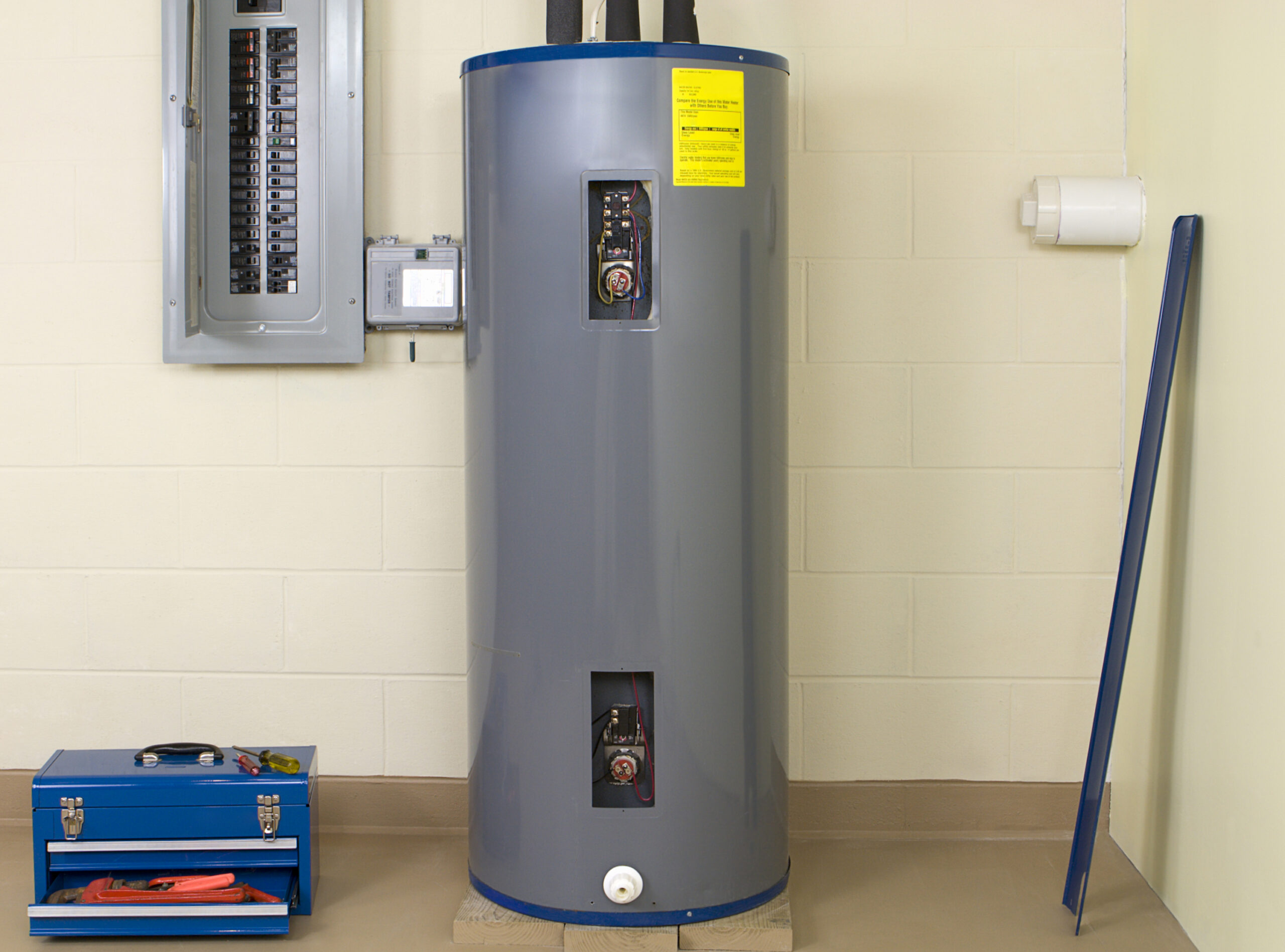
Your water heater works every day to provide hot water for showers, washing dishes, and doing laundry. Over time, minerals and other particles can collect at the bottom of the tank. This buildup can cause noise, reduce hot water, and make the system work harder.
Routine water heater maintenance can remove this sediment before it causes bigger problems. Flushing the tank can help the unit heat more evenly and continue working reliably.
Why Water Heaters Need Flushing
Fresh water enters the tank whenever you use hot water. Although the water may look clear, it contains small amounts of minerals and other particles. Some of this material settles at the bottom of the tank as the water heats.
A small amount of sediment may not cause problems right away, but it can build up over time. It may cover the heating element in an electric unit or block heat from the burner in a gas unit. The water heater can then take longer and use more energy to heat the water.
Flushing drains water and loose sediment from the tank. This service can be included in regular plumbing maintenance.
How Sediment Builds Up
Hard water contains minerals that can settle at the bottom of the tank when heated. Sand, rust, and other small particles may also collect there.
How quickly buildup forms depends on water quality, temperature setting, how much hot water you use, and the unit’s age. Homes that use more hot water may develop buildup faster.
During a professional flush, the plumber drains loose sediment from the tank. They can also check for leaks, rust, and other damage.
Signs Your Tank Needs Flushing
Sediment builds up slowly, so changes may be hard to notice at first. Popping or rumbling from the tank is one common sign. These sounds happen when steam bubbles move through the buildup.
Other possible signs include:
- Hot water running out sooner than usual
- Water taking longer to heat
- Cloudy or discolored hot water
- Uneven water temperatures
- Higher energy use
- Sediment coming from the drain valve
These problems can also have other causes. A professional inspection can show whether the tank needs flushing or water heater repair.
Changes in Hot Water Performance
A layer of sediment takes up space inside the tank and can slow heat from moving into the water. You may notice that showers turn cold sooner or that the tank takes longer to recover after heavy use.
Flushing may improve performance when loose sediment is the cause. However, it can’t repair a worn heating element, failed thermostat, leaking tank, or heavy corrosion. A plumber can inspect the equipment and explain which service is needed.
Benefits Of Regular Tank Flushing
Regular flushing removes buildup from inside the water heater. This can help the tank heat water properly and keep it from working harder than it needs to.
Flushing may also:
- Reduce rumbling sounds
- Keep sediment from taking up space in the tank
- Provide more consistent hot water
- Help the unit work properly
Maintenance can’t stop every breakdown, but it may catch problems before they get worse.
Supporting Reliable Water Heater Performance
Preventive maintenance involves more than draining the tank. A plumber may inspect the connections, temperature and pressure relief valve, drain valve, venting, burner, or heating elements, depending on the unit type.
The plumber can also check for moisture and corrosion around the tank. These checks are important because flushing won’t fix a tank that has started to leak or rust through.
Schedule Water Heater Service with McAllister in NY
McAllister Plumbing, Heating & Cooling has served Hamburg, West Seneca, and communities across New York’s Southtowns for over 65 years. Our highly trained technicians provide honest recommendations, fair and upfront pricing, and emergency service when needed.
Contact McAllister to schedule a water heater maintenance or repair today.
Frequently Asked Questions
How Often Should Water Heaters Be Flushed?
Flush most tank water heaters about once a year. Your home may need a different schedule based on water hardness, hot water use, and the manufacturer’s instructions.
Why Does Sediment Build Up In Water Heaters?
Minerals and small particles enter the tank with the water supply. Some settle at the bottom as the water heats. The layer becomes thicker if it isn’t removed.
Can Sediment Affect Water Heater Performance?
Yes. Sediment can reduce the tank’s available space, slow heating, and cause popping or rumbling sounds. Heavy buildup can also make the water heater work longer to provide hot water.