

If you’re living in Buffalo near Elmwood Village or North Park, you might’ve noticed your house feeling a bit damp or unusually sticky lately. When moisture starts creeping upward indoors, it’s natural to wonder what level it should be at to keep your space comfortable. That’s why McAllister, your trusted indoor air quality team, is here to explain the ideal humidity level for your home.
Why Choose McAllister Heating & Cooling in Buffalo, NY
Buffalo households continue choosing our team because we’ve spent more than 65 years serving the community with genuine care and steady dedication. Our reputation is built on integrity and a commitment to treating neighbors like friends, which shows in every interaction. You also get expert technicians who bring skill, clarity, and dependable workmanship to each visit, giving you confidence that your home’s well-being is always in capable hands.
Ideal Indoor Humidity Levels for a New York Home
Buffalo’s humid continental climate means outdoor moisture often hovers around 70% throughout the year. This creates challenges for the six-decade-old houses that are common in neighborhoods like Parkside and Kensington and naturally absorb dampness.
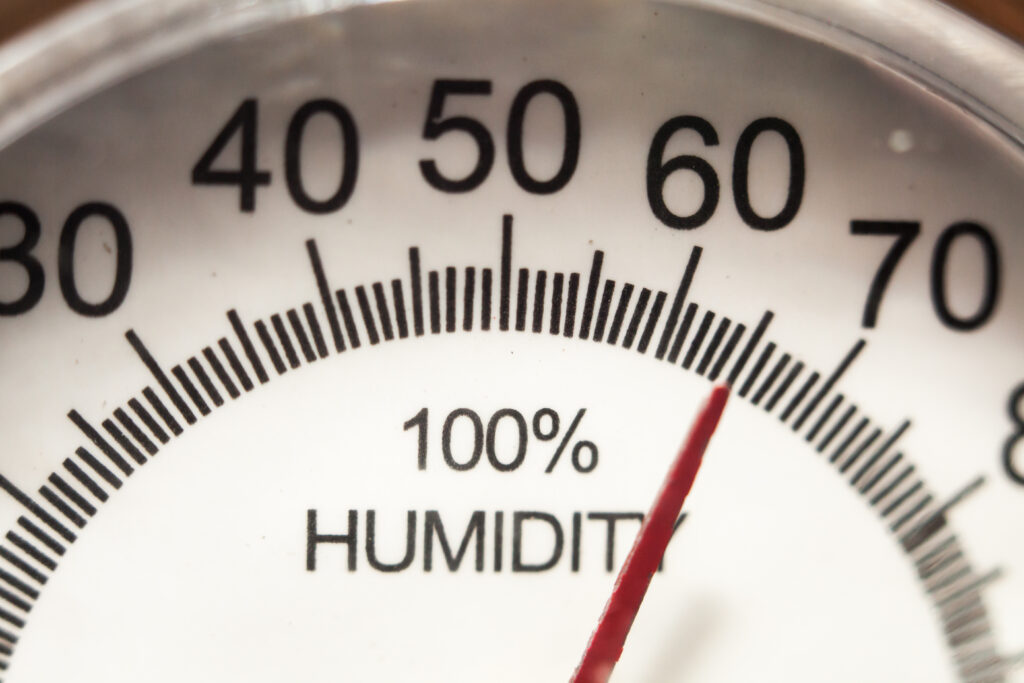
Inside your home, the humidity level should stay around 30% to 50%, which helps protect your home and aids in a better living environment. This supports:
- Balanced comfort: This range keeps your living spaces feeling pleasant without heaviness or dryness.
- Material protection: Wood floors, trim, and furniture stay in better shape when moisture stays consistent.
- Energy efficiency: Your HVAC system doesn’t have to work as hard when humidity stays controlled.
- Cleaner air: Balanced moisture helps reduce airborne irritants.
- Better sleep: Proper humidity supports easier breathing and thus deeper sleep at night.
How can I tell if my home’s humidity level is too high or too low?
You can spot humidity issues quickly once you know what to look for, but the early clues often slip under the radar because they tend to be subtle. Look for things like:
- Condensation on windows: Persistent moisture on glass often signals high humidity.
- Musty smells: Lingering odors can indicate excess dampness.
- Dry skin or throat: Air that’s too dry may leave you feeling irritated.
- Warping wood: Floors or trim shifting can be a sign of moisture imbalance.
- Static electricity: Frequent shocks usually mean humidity’s too low.
Seasonal Humidity Changes
Buffalo’s seasons bring noticeable shifts, and each one affects your house differently.
- Summer: Warm, muggy air pushes moisture upward, making indoor spaces feel heavy.
- Fall: Cooler temperatures reduce humidity outdoors, but older homes may still hold residual dampness.
- Winter: Heating equipment dries out indoor air, often causing discomfort and material stress.
- Spring: Melting snow and rain introduce fresh moisture challenges as temperatures rise.
What problems can improper humidity levels cause?
When moisture stays too high or too low for long periods, your house and loved ones can experience several issues. These can affect your comfort, health, and even the integrity of your home’s structure over time.
- Mold growth: Excess dampness encourages spores to spread.
- Peeling paint: Surfaces may lose adhesion when moisture fluctuates.
- Allergy flare‑ups: Imbalanced humidity can worsen respiratory symptoms.
- Structural strain: Wood and drywall may shift or crack over time.
- HVAC wear: Systems work harder when moisture isn’t regulated.
Our indoor air quality solutions help bring your house back into balance so you can enjoy a steadier indoor climate throughout the year.
Can my HVAC system help control indoor humidity?
Your HVAC equipment plays a major role in managing moisture indoors, especially in older Buffalo houses.
- Moisture removal: Cooling cycles pull water from the air as it passes over the evaporator coil.
- Air movement: Steady airflow distributes conditioned air evenly, preventing pockets of damp or overly dry air.
- Dehumidification features: Some systems include modes or components that slow airflow to increase moisture extraction.
- Integrated humidity controls: Whole‑home dehumidifiers, variable‑speed blowers, or smart thermostats work with your HVAC equipment to maintain balanced moisture automatically.
You can also get more precise moisture control by using system settings that fine‑tune how your equipment manages indoor conditions. Modern air conditioning upgrades take that even further by offering advanced humidity management that keeps your home feeling consistently comfortable.
Enjoy Healthier Indoor Comfort with McAllister Heating & Cooling
Buffalo households trust McAllister because the company holds an A+ rating from the Better Business Bureau and is known locally as “the Fair Price Guys” thanks to consistently fair, upfront pricing. You’ll always know costs before any work begins, and our team stays available for urgent plumbing, heating, and cooling needs.
Experience a fresher, more comfortable home with solutions tailored to you. Contact us today to schedule your indoor air quality service and enjoy reliable HVAC equipment all year long.